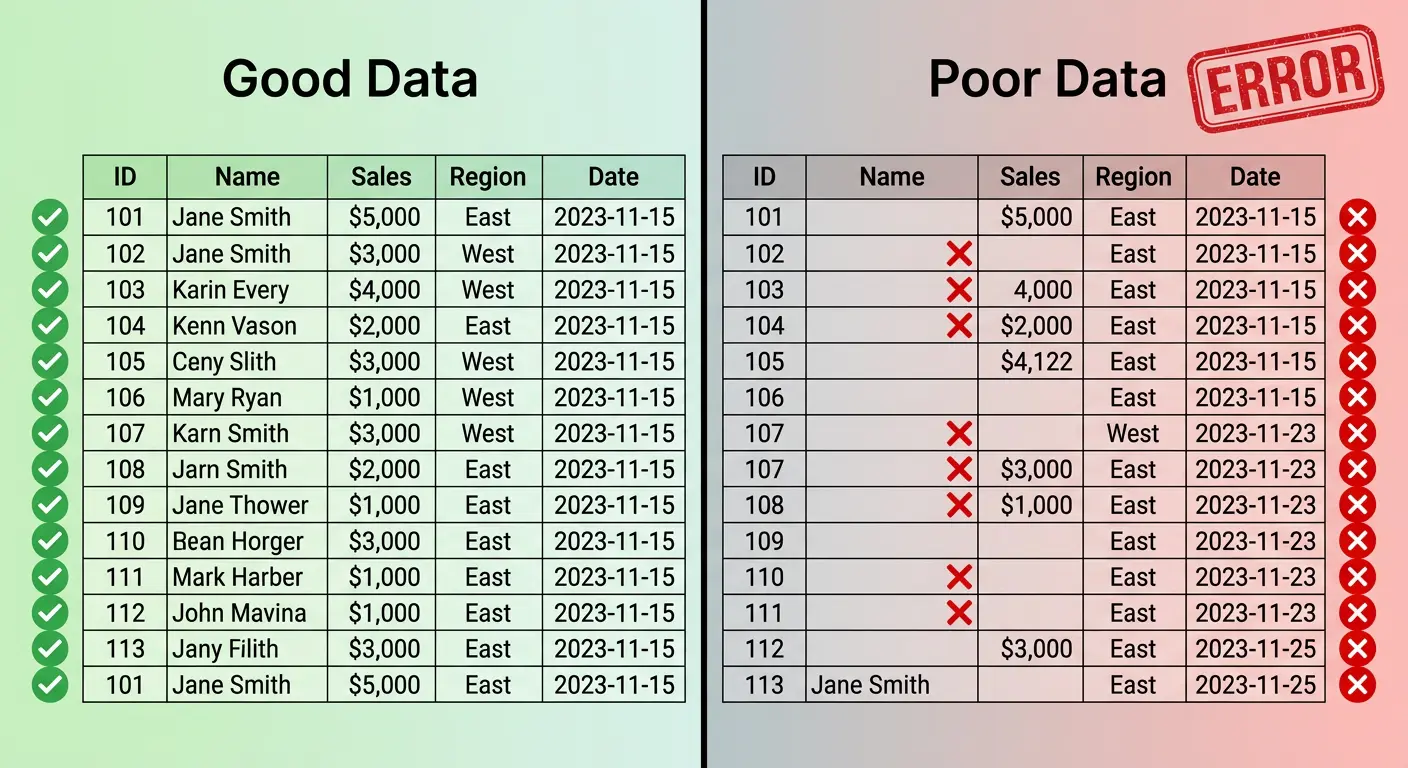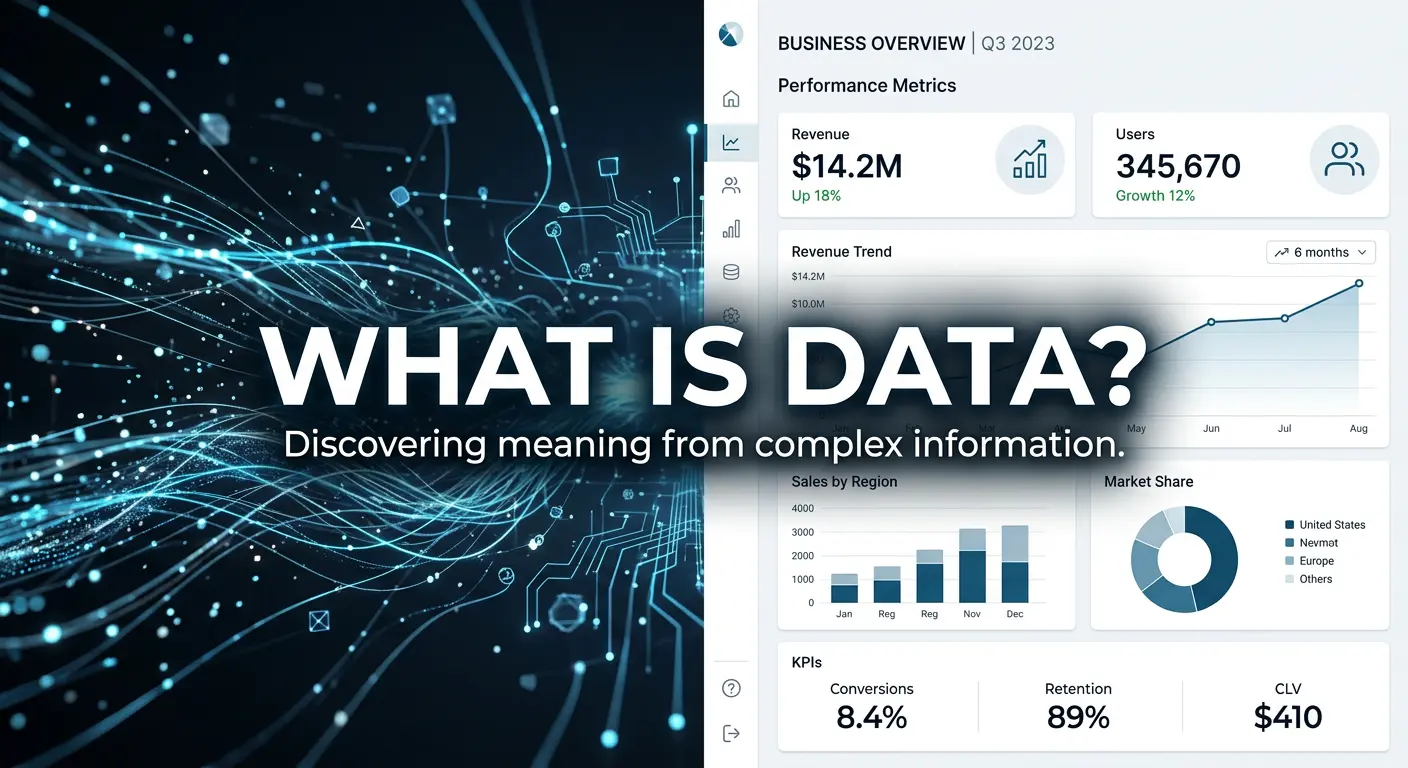
If there is a single capability that delivers more return on data investment than any other, it is Master Data Management. Organisations that get MDM right reduce analytics complexity, improve report accuracy, and build the foundation that makes AI, BI, and compliance achievable. It is a core pillar of any data governance and strategy programme.
What Is Master Data?
Master Data refers to the core datasets essential for business operations: the key entities that appear across multiple systems and must be consistent everywhere.
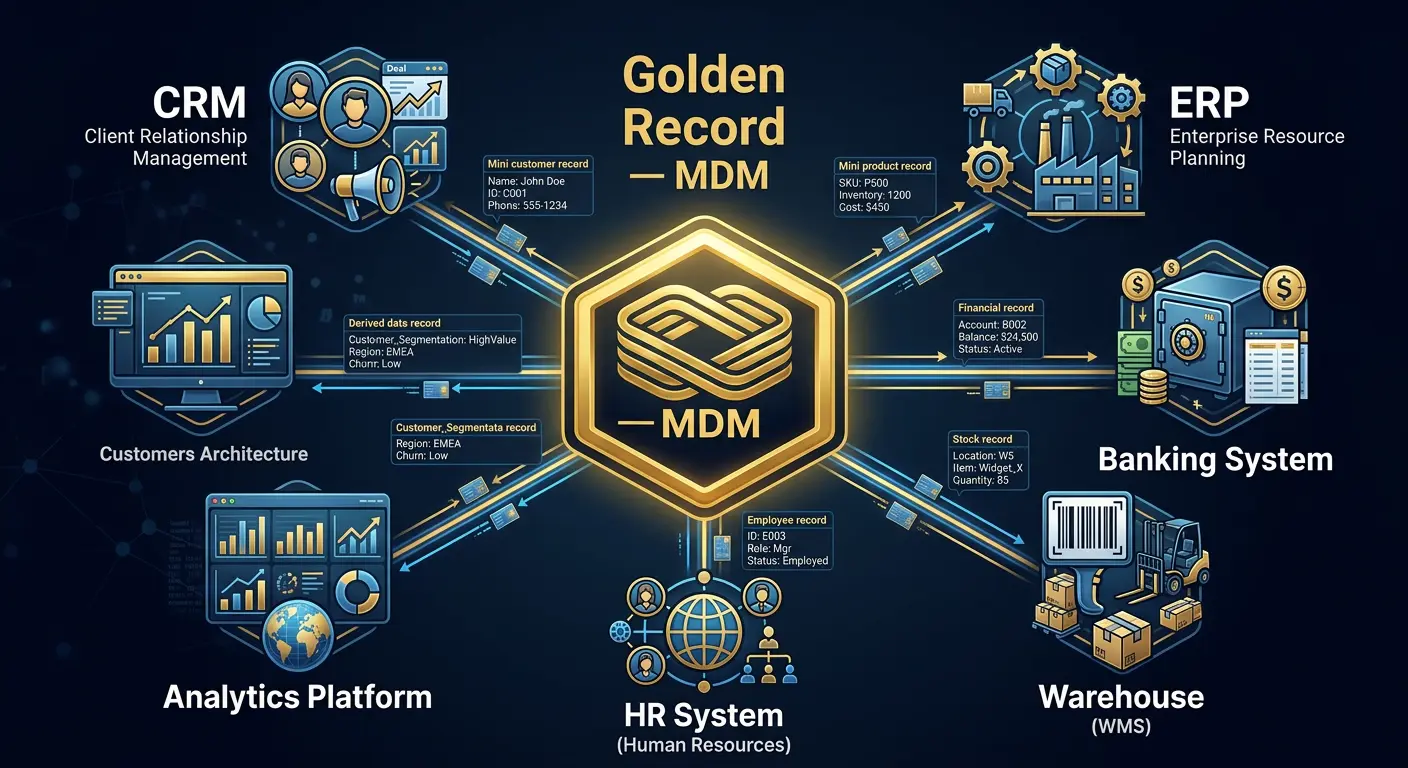
The Golden Record Concept
The “Golden Record” is the single, authoritative version of a key entity. One customer. One product. One supplier. Every system references the same record, eliminating duplicates and conflicting versions.
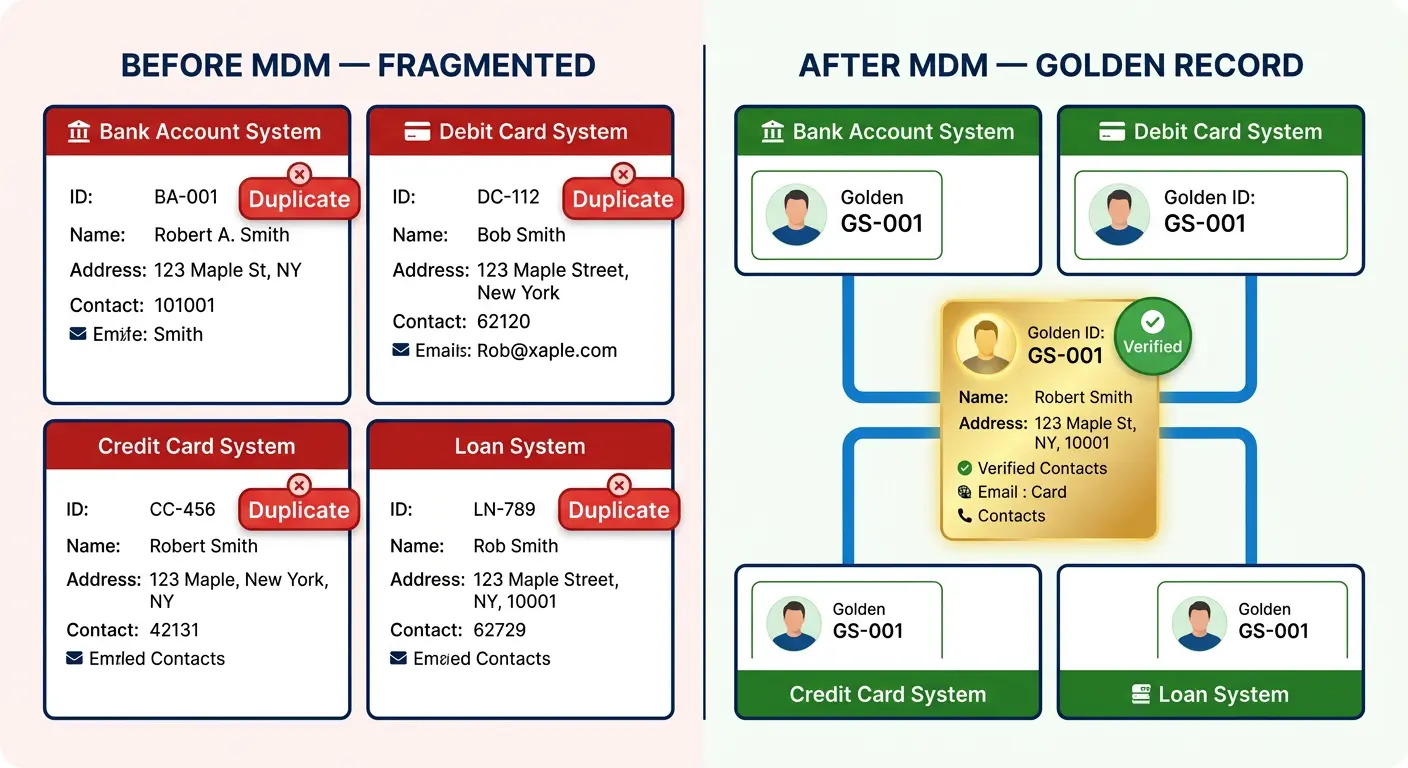
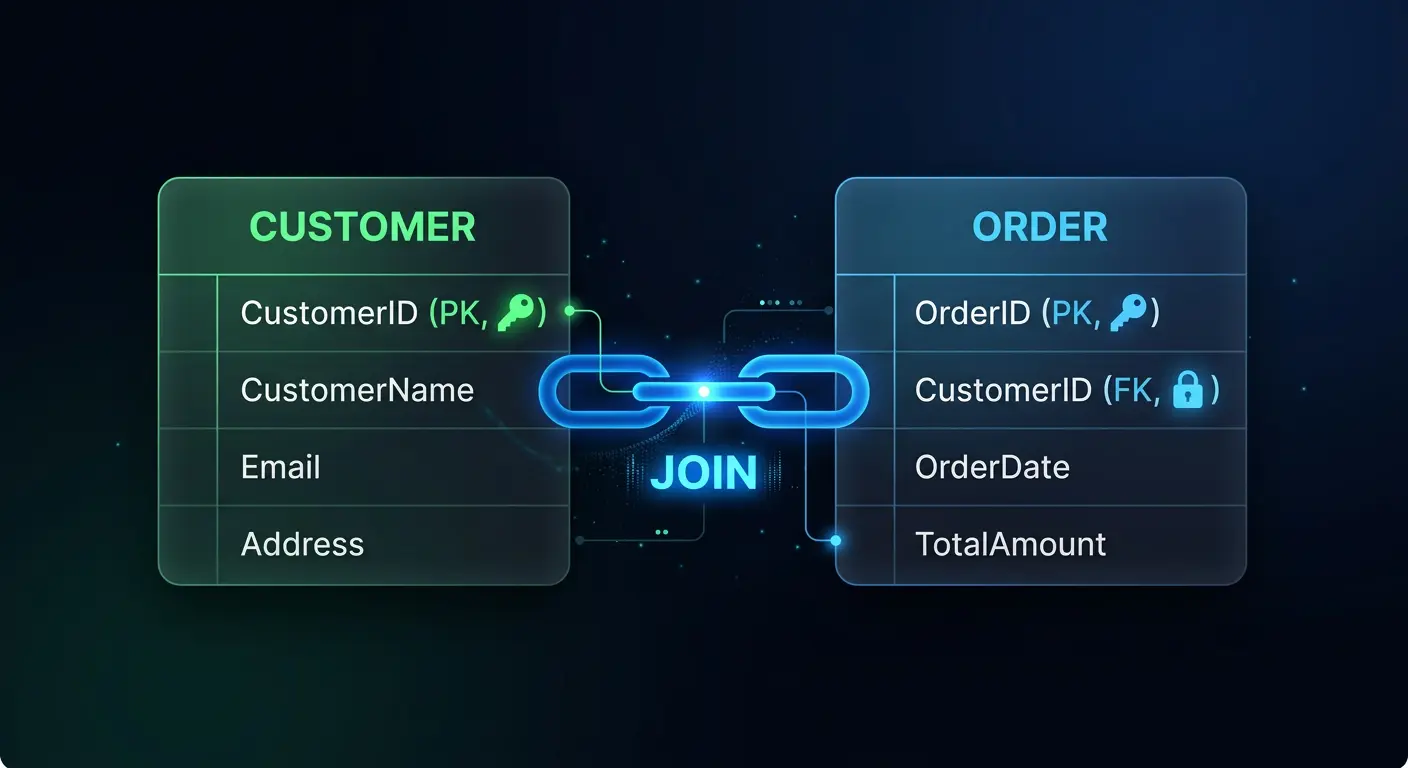
Master Data cannot exist independently. A customer master record requires name, identifier, and contact details. A product master requires name, SKU, and category. Each entity is defined by its attributes and relationships.
Common Master Data Domains
| Domain | What It Contains | Why It Matters |
|---|---|---|
| Customer | Names, addresses, identifiers | Prevents duplicates; 360° view |
| Product | Names, SKUs, categories | Consistent pricing, inventory |
| Supplier/Vendor | Names, contracts, payments | Procurement, compliance |
| Employee | IDs, roles, departments | HR analytics, access control |
| Geographic/Location | Sites, regions, postal codes | Logistics, territory management |
What Is Reference Data?
Reference Data provides standardised classification codes, lookup lists, and controlled vocabularies. Where Master Data describes who and what, Reference Data defines how things are categorised.
Examples: Country codes (ISO 3166), currency codes (ISO 4217), product categories, status codes, industry classification codes.
Reference data is connected to master data through primary and foreign keys in database design, ensuring every classification value is validated against a controlled list.
The Cascade Effect: Why MDM Is Non-Negotiable
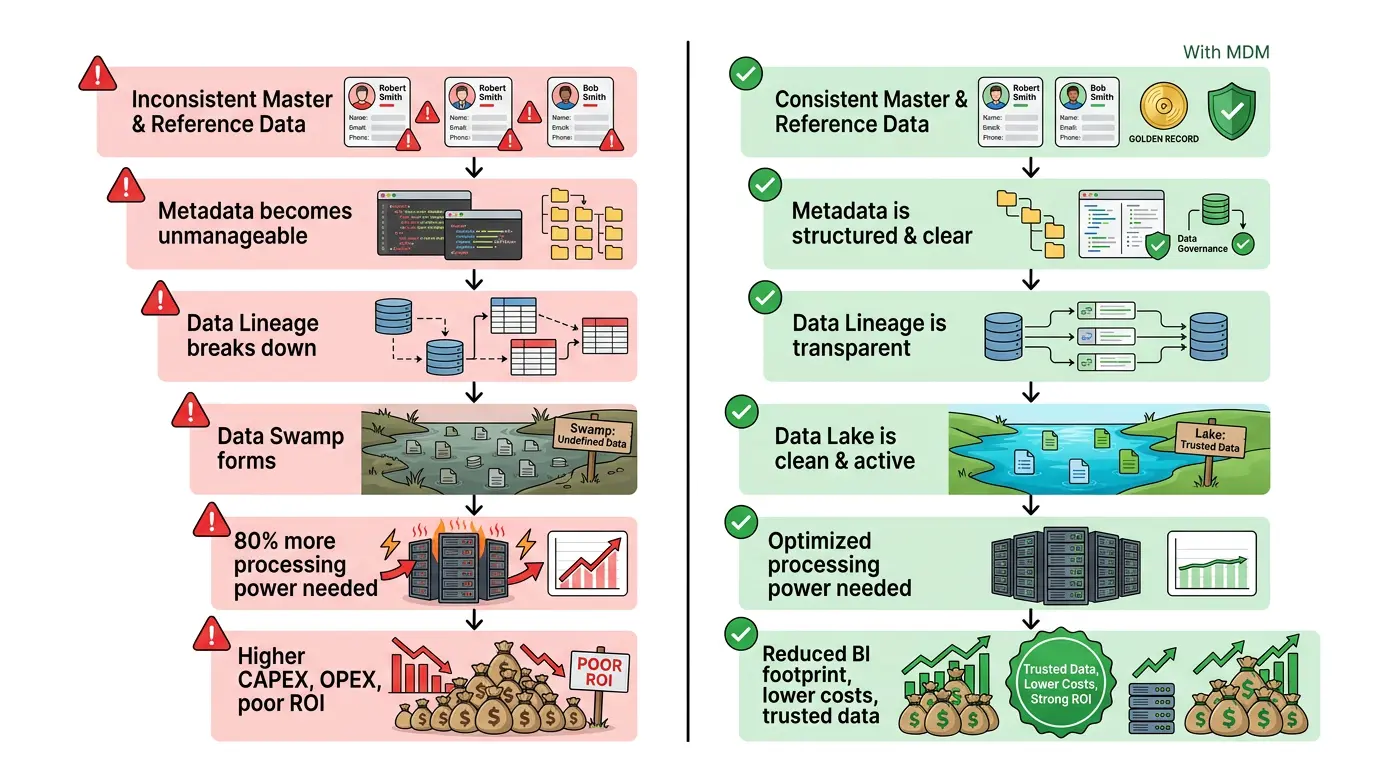
Without MDM, a predictable chain of failures unfolds:
- Inconsistent Master and Reference Data → Metadata becomes unmanageable
- Unmanageable Metadata → Data lineage cannot be established
- No Data Lineage → Data becomes a Data Swamp
- Data Swamp → 80% more processing power needed to extract value
- Excessive infrastructure costs → Higher CAPEX and OPEX
- Poor ROI on data investments → Leadership loses confidence in data initiatives
MDM Architectures: Four Implementation Styles
| Architecture Style | How It Works | Best For |
|---|---|---|
| Consolidated | Master data pulled into central hub | BI, data warehousing |
| Registry | Index pointing to distributed data | Cross-system identity resolution |
| Coexistence | Distributed authority with central Golden Copy | Where source data can’t be overridden |
| Centralised | Authored and managed from central hubs | Full governance control |
Operational vs Analytical MDM
- Operational MDM governs master data in source and transactional systems (CRM, ERP) at the point of creation and update
- Analytical MDM governs master data in downstream systems, including BI platforms, data warehouses, and reporting layers
Both are needed. Without operational MDM, source data is inconsistent. Without analytical MDM, reporting and analytics inherit those inconsistencies. A complete MDM strategy addresses both sides of the data lifecycle. A strategic advisory engagement can help you design the right MDM approach for your organisation.
MDM, RDM and the Path to a Single Source of Truth
Without MDM and RDM: siloed systems, painful integration, unreliable AI, manual reconciliation, and constant firefighting across business units.
With MDM and RDM: all systems speak the same data language. Every process is built on a trusted foundation. Analytics, AI, compliance, and operational efficiency all improve because the underlying data is consistent, governed, and authoritative.
Key Takeaway
Master Data Management is not an IT project. It is a business capability. The organisations that invest in clean, governed master and reference data build a compound advantage: every system works better, every analysis is more reliable, and every decision is built on a foundation that can be trusted. MDM is not about managing data. It is about managing the truth. Explore our CDMP and data management training to build these capabilities in your team.

Ready to build a Single Source of Truth?
Your Partner Technologies delivers Master Data Management strategy, architecture, and implementation, the foundation your data-driven business depends on.
Start Your MDM Journey →