Data has become one of the most powerful forces in modern business. It drives decisions across industries, governments, and daily operations, yet few professionals can define it with real precision. Understanding what data truly is forms the foundation of every effective data strategy, analytics programme, and digital transformation initiative.
The Core Definition of Data
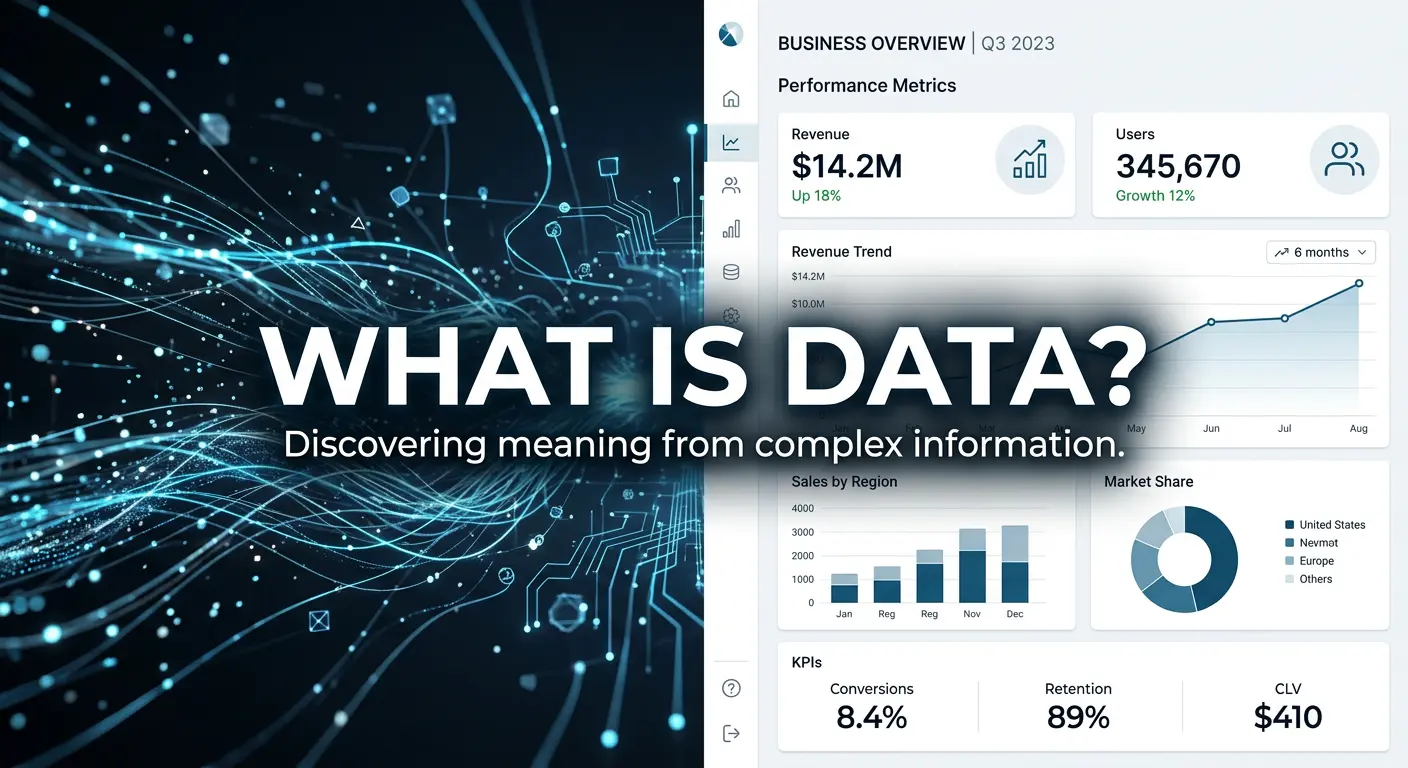
The word data comes from the Latin datum, meaning "something given", a starting point for analysis and decision-making. Formally, data is a set of values related to qualitative or quantitative variables about one or more entities or objects.
A more intuitive and powerful way to think about it:
Data is the features and activities of an object.
Every piece of data your organisation stores, processes, or analyses either describes what something is (features) or what something does (activities). This framing makes data immediately tangible and actionable.

Objects, Features, and Activities: Breaking Down the Definition
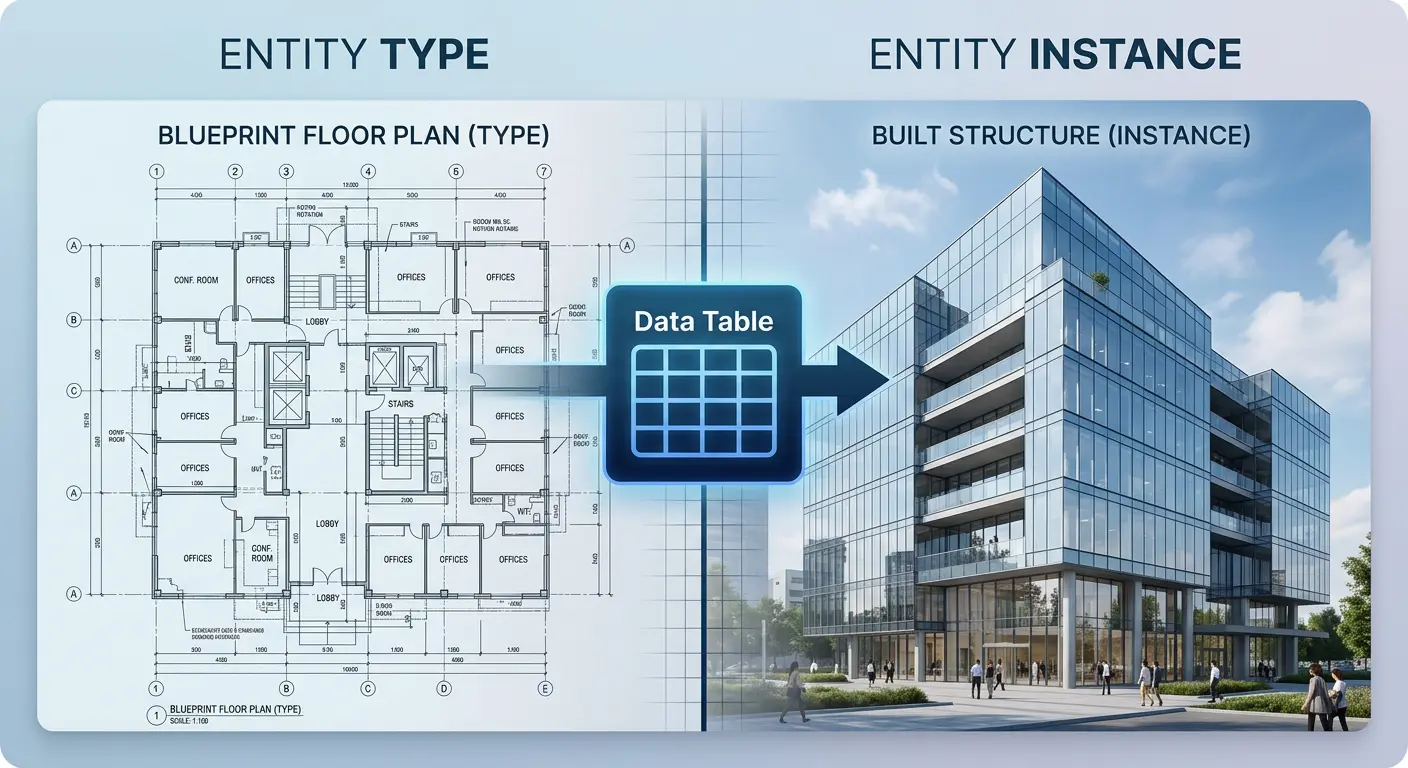
Object: Anything with measurable, observable properties. A customer, product, transaction, or employee. In data modelling, we call these Entities.
Features: The descriptive characteristics of an object: a product's name, SKU, category, and price. In database terms, these are Attributes or Columns.
Activities: The actions associated with an object:
- Internal activities: Changes within the object itself
- External activities: Actions performed by outside agents
Key Types of Business Data
| Data Type | Description | Examples |
|---|---|---|
| Metadata | Data about data. Provides context, structure, and lineage | Column definitions, access logs, data dictionaries |
| Master Data | Core entities shared and reused across systems | Customer records, product catalogues, employee data |
| Reference Data | Standardised classification codes and lookup lists | Country codes, currency codes, product categories |
| Transactional Data | Records of events, actions, and interactions | Sales orders, invoices, service tickets |
Data also exists in three operational states:
- Data-at-Rest: Stored and inactive
- Data-in-Transit: Moving between systems
- Data-in-Use: Actively processed
From Raw Data to Business Intelligence: The DIKW Model
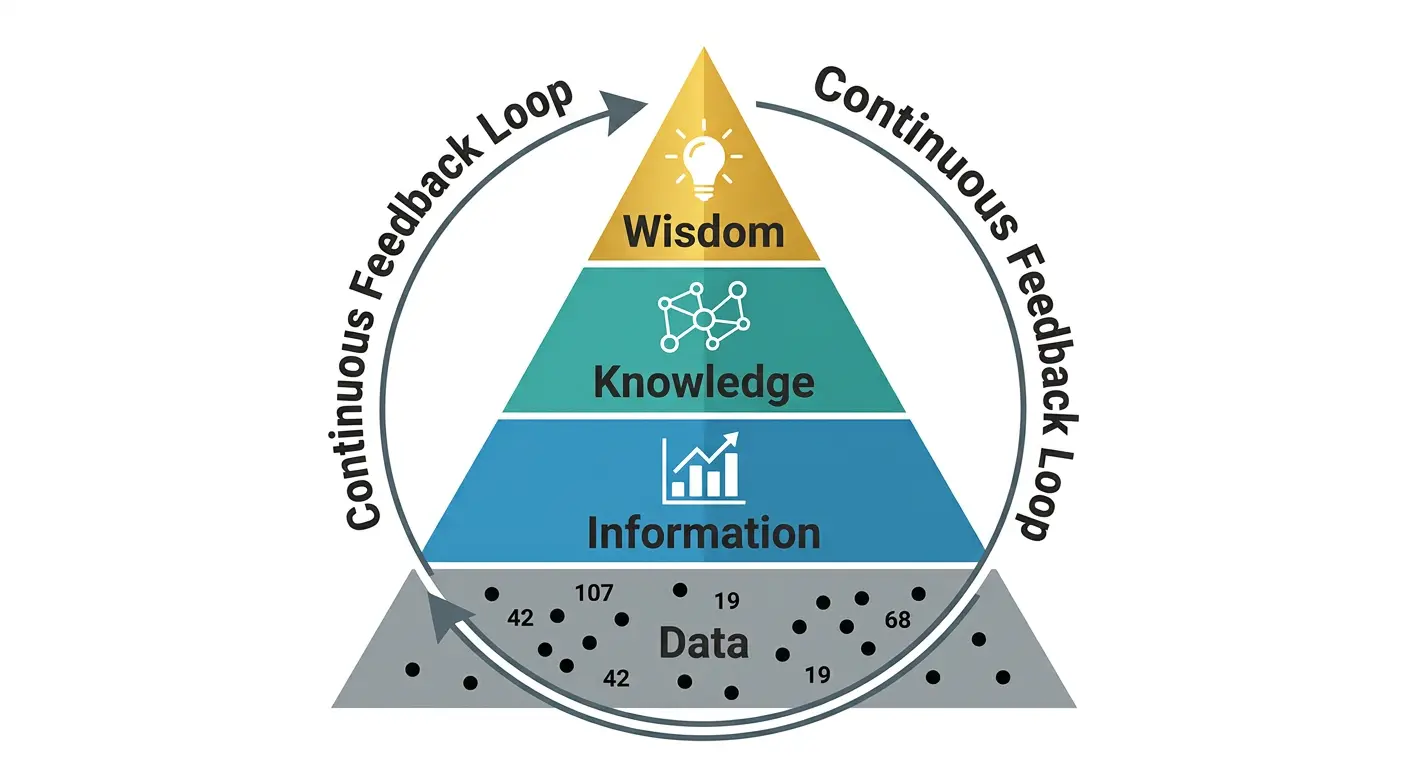
The widely used DIKW framework maps data's journey toward business value:
Data → Information → Knowledge → Wisdom
What this model often understates is the iterative nature of the cycle. In practice, one cycle's output becomes the next cycle's input. This continuous loop powers modern Machine Learning, AI, and Business Intelligence.
Why Data Is Unlike Any Other Business Asset
- Data generates more data.
- Data increases in value.
- Data has no expiration date.
Data Strategy: Connecting Data to ROI
For organisations, data is only valuable when it connects to measurable business outcomes. Every data investment should answer: Which business outcome does this data serve?
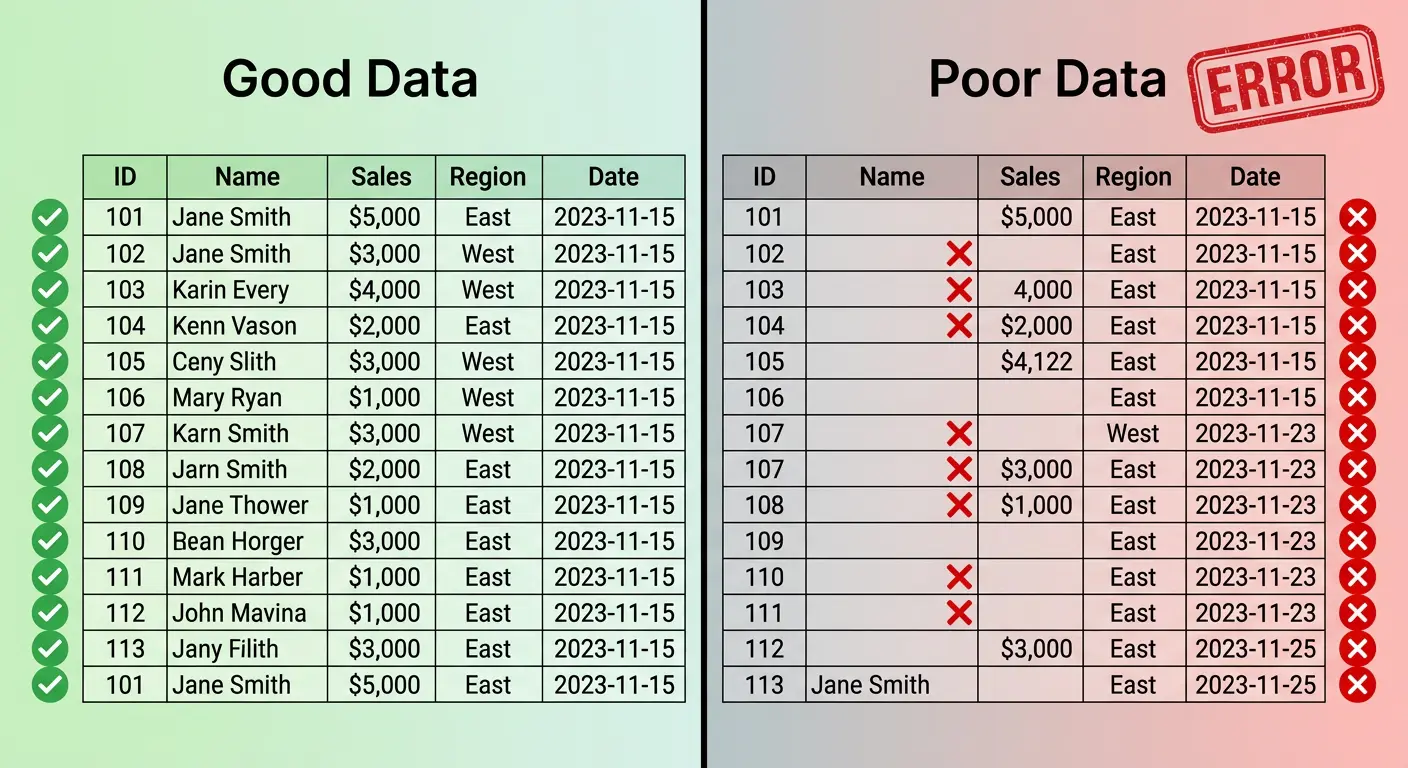
Companies that build this connection between data assets and ROI consistently outperform those that collect data without a clear governance or quality strategy. Our training programmes help professionals build these foundational data skills.
Data is not just information. It is a dynamic, appreciating asset. When governed and utilised effectively, it compounds in value, enables intelligent decisions, and becomes a durable competitive advantage.

Frequently Asked Questions
Ready to build a data strategy that delivers real ROI?
Your Partner Technologies helps organisations turn data into measurable business value through expert strategy, governance, and architecture.
Talk to Us →